
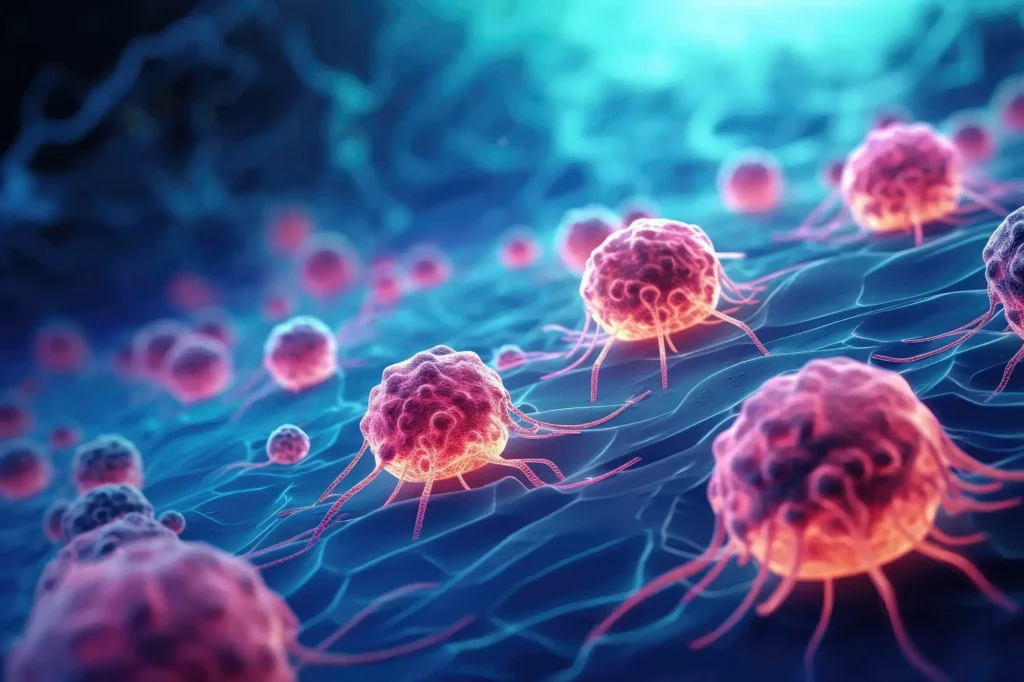
Circulating Tumor Cells (CTCs) are rapidly emerging as one of the most promising frontiers in precision oncology. As the demand for more dynamic and minimally invasive biomarkers grows, CTCs offer a unique opportunity to transform how companion diagnostics (CDx) are developed and applied in clinical practice. Below we outline the current landscape and the key trends shaping the future of CTC-based diagnostics.
1. The Current Landscape
Companion diagnostics play a critical role in modern oncology by providing the biomarker information needed to guide targeted therapies safely and effectively. While most approved CDx technologies today rely on tissue biopsies or circulating tumor DNA (ctDNA), CTCs introduce a powerful complementary approach: the ability to analyze intact, living tumor cells directly from blood.
Unlike cell-free biomarkers, CTCs allow comprehensive biological characterization. Researchers can evaluate protein, RNA, and DNA biomarkers within viable tumor cells, enabling detailed insights into target expression (such as HER2 or androgen receptor), pathway activation, and tumor evolution during treatment.
A growing body of translational research demonstrates that CTC biomarker profiles can reflect therapeutic response and mechanisms of resistance. For example, androgen receptor splice variants in prostate cancer and dynamic HER2 expression changes in breast cancer have been successfully detected in CTC populations.
Beyond their biological insight, CTC assays have already shown strong prognostic and pharmacodynamic value in multiple cancer types. However, despite this potential, no CTC-based test has yet achieved full regulatory approval as a companion diagnostic. Key challenges remain, including the rarity of CTCs in blood samples, variability across detection platforms, incomplete analytical validation, and the need for larger prospective clinical studies.
2. Future Trends Driving the Field
Innovation across technology, analytics, and clinical development is rapidly accelerating the path toward clinical implementation of CTC-based diagnostics.
High-recovery, label-agnostic capture technologies
Next-generation microfluidic and biophysical systems are dramatically improving CTC recovery rates while preserving cell viability, enabling deeper downstream analysis.
Single-cell multi-omics
Advances in genomics, transcriptomics, and proteomics now allow multi-layered molecular profiling from just a few individual CTCs, opening new possibilities for biomarker discovery and patient stratification.
AI-powered analytics
Artificial intelligence and advanced imaging algorithms are improving automated CTC detection, classification, and feature extraction, increasing both accuracy and reproducibility.
Dynamic biomarker monitoring
CTCs enable longitudinal tracking of tumor biology, allowing clinicians to monitor target expression and emerging resistance mechanisms throughout treatment.
Drug–diagnostic co-development
Integrating CTC biomarker assays directly into clinical drug trials represents a key step toward demonstrating predictive value and enabling regulatory approval.
Functional testing platforms
Emerging approaches such as ex vivo CTC cultures and organoid models may allow researchers to directly test drug sensitivity, linking biomarker expression to real therapeutic response.
Evolving regulatory frameworks
Closer collaboration with regulatory agencies and adaptive approval pathways may help accelerate the validation and adoption of innovative CTC diagnostics.
Multimodal liquid biopsy strategies
Combining CTC analysis with ctDNA and other liquid biopsy signals could significantly enhance predictive accuracy and provide a more comprehensive view of tumor biology.
3. Strategic Perspective
CTCs provide direct access to live tumor biology, offering a powerful window into cancer evolution, therapeutic response, and resistance mechanisms. This capability positions them as a highly attractive platform for next-generation companion diagnostics.
While no CTC-based CDx has yet reached regulatory approval, technological advances, expanding clinical evidence, and growing industry interest are rapidly moving the field forward. As these innovations converge, CTC-driven diagnostics are poised to become a key component of the future precision oncology ecosystem.